The automotive design world thrives on visual illusions, and few techniques have captured the imagination of designers and consumers alike quite like the floating roof effect. This clever styling trick, often paired with two-tone paint schemes, creates the mesmerizing impression that a vehicle's roof hovers effortlessly above its body. What began as an avant-garde design experiment has evolved into a mainstream styling phenomenon, reshaping how we perceive modern automobiles.
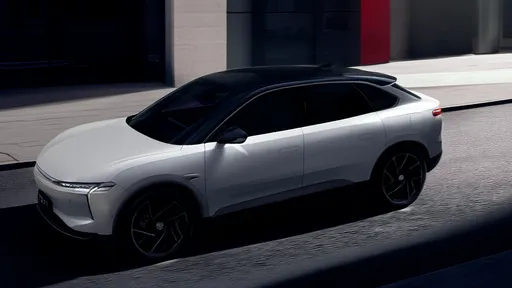
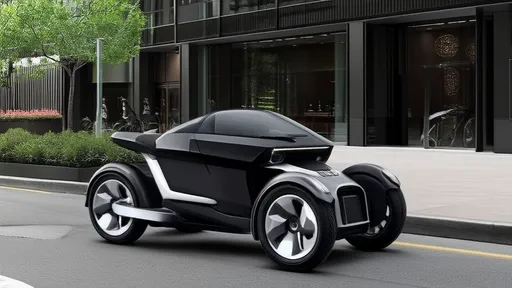
At its core, the floating roof illusion relies on careful manipulation of color and contrast. Designers achieve this effect by painting the roof pillars black or matching them to the windshield color, while using a contrasting hue for the actual roof panel. When viewed from certain angles, the pillars visually disappear against the glass, making the roof appear to float unconnected from the body. This technique gained prominence through vehicles like the MINI Cooper, which showcased how a simple color break could completely transform a car's visual proportions.
The psychology behind this design choice reveals why it resonates so powerfully with consumers. Our brains instinctively try to make sense of visual contradictions, and the floating roof creates just enough dissonance to be intriguing without being unsettling. It suggests lightness and technological sophistication, qualities that automakers eagerly associate with their products. The effect works particularly well on SUVs and crossovers, where it helps mitigate the visual bulk inherent to these body styles.
Two-tone paint schemes amplify the floating roof's impact by establishing clear visual hierarchies. A dark roof over a light body doesn't just create contrast; it alters our perception of the vehicle's height and stance. This color blocking technique traces its roots to automotive history - think of the iconic 1950s Chevrolets with their contrasting roof treatments. Today's implementations are more subtle yet equally effective, using color to guide the eye and emphasize design features.
Modern iterations of this design language have grown increasingly sophisticated. Some manufacturers now incorporate chrome accents or body-colored elements that appear to slice through the roof pillars, enhancing the floating effect. Others play with roof shapes, using sweeping curves or angular designs that seem to defy gravity when paired with the right color scheme. The Range Rover Velar demonstrates how lighting can interact with these surfaces to create ever-changing visual impressions throughout the day.
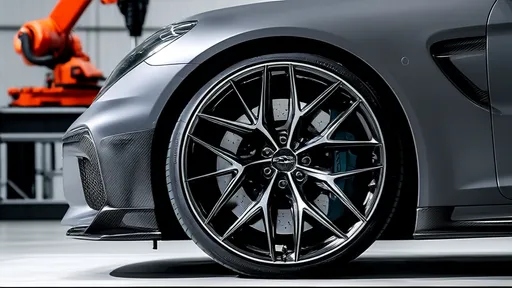
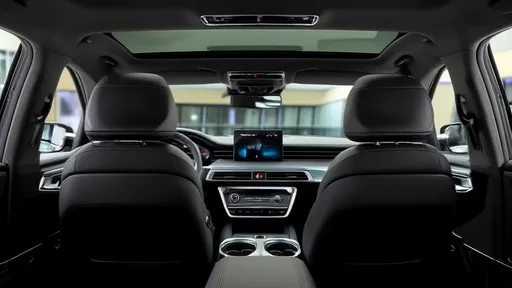
Material innovation has opened new possibilities for floating roof designs. The growing use of panoramic glass roofs allows for uninterrupted spans that enhance the floating illusion while flooding interiors with natural light. Carbon fiber roof panels offer both visual and functional benefits, their dark weave patterns naturally complementing the floating roof aesthetic while reducing weight. These material choices transform what began as a styling trick into a holistic design philosophy.
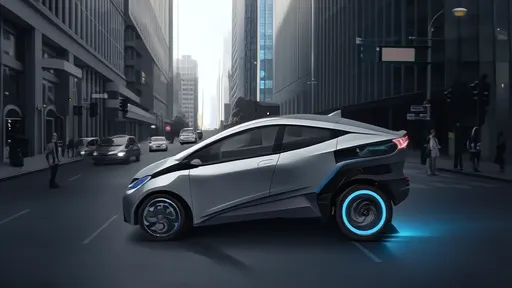
The floating roof phenomenon speaks to broader trends in automotive design. As vehicles become more technologically advanced, their exterfaces must communicate innovation. The visual lightness suggested by floating roofs aligns perfectly with electric vehicles' silent operation and clean energy credentials. It's no coincidence that many EVs feature this design element prominently, using it to signal their break from conventional automotive paradigms.
Looking ahead, the floating roof concept continues to evolve. Designers experiment with digital displays that could change roof colors on demand, creating dynamic floating effects. Some concept cars explore transparent roof panels that would make the entire upper structure appear to vanish under certain lighting conditions. As automotive design pushes into new territory, this simple yet powerful visual trick remains surprisingly versatile, proving that sometimes the most impactful innovations aren't mechanical, but purely perceptual.
What makes the floating roof endure where other design fads fade? Perhaps it's the way it satisfies our appetite for visual intrigue without compromising functionality. Or maybe it's how effectively it bridges nostalgia and futurism, recalling classic two-tone designs while feeling utterly contemporary. Whatever the reason, this visual magic trick has secured its place in the automotive design playbook, demonstrating that sometimes, seeing shouldn't mean believing.
By /Jun 14, 2025
By /Jun 14, 2025
By /Jun 14, 2025
By /Jun 14, 2025
By /Jun 14, 2025

By /Jun 14, 2025

By /Jun 14, 2025

By /Jun 14, 2025
By /Jun 14, 2025
By /Jun 14, 2025
By /Jun 14, 2025

By /Jun 14, 2025
By /Jun 14, 2025
By /Jun 14, 2025
By /Jun 14, 2025
By /Jun 14, 2025
By /Jun 14, 2025
